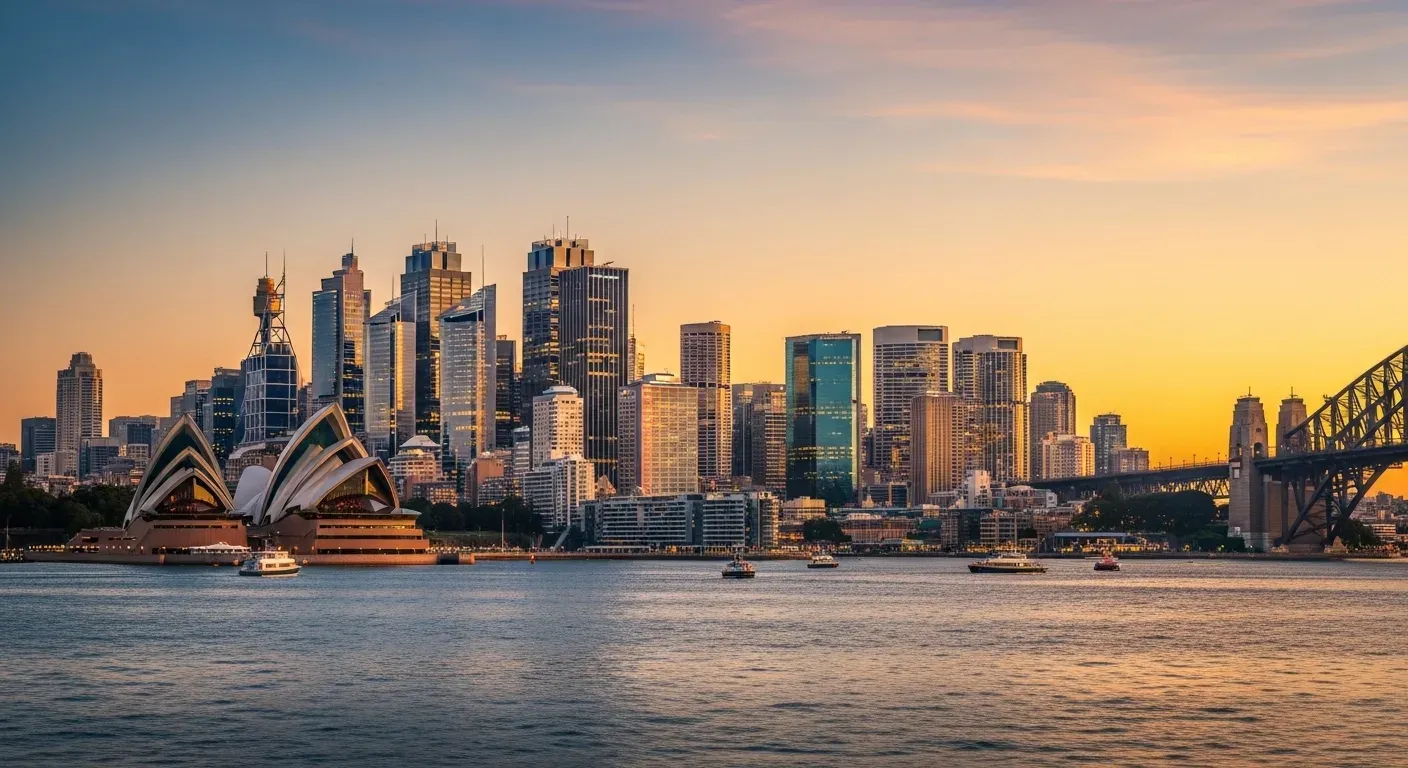
Small Business Restructuring in New South Wales — SBR for Sydney, Newcastle & Regional NSW
NSW leads the nation with 2,292 SBR appointments — 37.7% of the national total. From Sydney CBD to Newcastle and regional areas, NSW businesses are using SBR to restructure debt and keep trading.
NSW Leads Australia in Small Business Restructuring — 2,292 Appointments (37.7%)
New South Wales accounts for more than a third of all Small Business Restructuring appointments nationally.
NSW’s volume reflects both scale and creditor pressure across metro and regional markets
Sydney’s density drives the raw numbers, but the story is broader than the CBD. Construction, hospitality, and professional services are all feeding SBR demand across Newcastle, Western Sydney, and regional centres where cash flow shocks can escalate quickly.
Metro scale accelerates case volume
NSW has the country’s largest business base, which naturally drives more restructuring activity.
Construction still sets the tone
Security of payment issues, subcontractor chains, and project cash flow remain a major NSW pressure point.
Regional access still matters
Many NSW businesses outside Sydney rely on remote practitioner support and fast triage when ATO pressure lands.

2,292
Total NSW Appointments
Since SBR inception
37.7%
National Share
Largest state by volume
28%
Construction Sector
Dominant NSW industry
SBR Metro Hotspots in NSW — Sydney CBD, Newcastle, Parramatta & Western Sydney
Sydney metro dominates, but SBR appointments extend across the Hunter, Illawarra, and regional NSW.
| Area | Appointments | Share of NSW Total |
|---|---|---|
| Sydney CBD | 275 | 12.0% |
| Newcastle & Hunter | 135 | 5.9% |
| North Shore | 134 | 5.8% |
| Inner South West | 133 | 5.8% |
| Parramatta & Western Sydney | 124 | 5.4% |
Note: Figures represent top metro areas. Remaining appointments are distributed across regional NSW.
NSW-Specific SBR Considerations — Fair Trading, Payroll Tax & Security of Payment
State licensing, payroll tax, and construction payment laws create unique factors for NSW businesses entering SBR.
NSW Fair Trading Licensing
Builders, electricians, and other licensed trades should check whether SBR triggers any notification or review obligations under NSW Fair Trading.
Payroll Tax Thresholds
NSW payroll tax applies above $1.2M in wages. Outstanding payroll tax is an eligible SBR debt and can be included in a restructuring plan.
State Revenue Office Debts
Land tax and other state revenue debts may be included in an SBR plan depending on the specific circumstances of the liability.
Security of Payment Act
The Building and Construction Industry Security of Payment Act 1999 (NSW) creates specific payment rights that interact with the SBR process.
NSW Regulator References
Always confirm current requirements directly with the relevant regulator before proceeding with SBR.
Top Industries Using Small Business Restructuring in NSW — Construction, Hospitality & Professional Services
Construction dominates, followed by hospitality and professional services.
Construction
Largest single industry in NSW SBR appointments, driven by project cash flow pressures and subcontractor obligations.
Hospitality & Food Services
Sydney restaurant and cafe closures accelerated post-COVID, with SBR offering an alternative to liquidation.
Professional Services
Consulting, IT, and advisory firms with high fixed costs and lumpy revenue cycles.
How to Find a Small Business Restructuring Practitioner in Sydney & NSW
Follow these steps to identify and engage a registered restructuring practitioner in New South Wales.
- Confirm your total debt is under $1 million (excluding employee entitlements).
- Ensure all employee entitlements (wages, super, leave) are current.
- Gather BAS lodgement history, creditor aging reports, and recent financials.
- Search the ASIC registered liquidator directory for NSW-based practitioners.
- Request scoping calls from at least two practitioners to compare approach and fees.
- Ask specifically about their experience with NSW Fair Trading and state licensing.
Frequently Asked Questions — Small Business Restructuring in New South Wales
Why SBR Works for NSW Businesses
NSW leads Australia in SBR because structural factors align to make restructuring accessible and effective:
2,292 NSW appointments (37.7% of national total) reflect three structural advantages for NSW small businesses considering SBR:
Largest Business Base
NSW has Australia's largest small business economy, driving 37.7% of national SBR appointments. Scale creates both more cases and a deeper network of practitioners, advisors, and industry-specialist RPs — especially in Sydney, Newcastle, and Parramatta.
Construction Sector Pressure
NSW construction is 28% of SBR appointments — the largest sector concentration. Subcontractor chains, retention money, and Security of Payment Act dynamics create unique cash flow pressures where SBR offers structured restructuring over collapse.
ATO & Revenue NSW Alignment
The ATO votes yes on 90%+ of viable SBR plans even where it is the dominant creditor. Revenue NSW payroll tax and land tax debts can be included in plans, giving NSW businesses a coherent path through combined state and federal tax exposure.
87% plan approval rate + 93% continue trading post-SBR = a proven pathway for NSW businesses.
NSW Director Concerns About SBR — Addressed Directly
The NSW-specific questions directors raise most often about Small Business Restructuring. If any apply to your situation, discuss with a practitioner before acting.
Will my NSW Fair Trading builder's licence be cancelled if I enter SBR?
Not automatically. NSW Fair Trading does not treat SBR appointment as automatic grounds for licence cancellation. However, licence holders should check notification obligations — some licence classes require disclosure of external administration events. Discuss with your practitioner and, if needed, a licensing lawyer before appointment.
Can I include Revenue NSW payroll tax debt in an SBR plan?
Yes. Payroll tax owed to Revenue NSW is an unsecured state tax debt and is eligible for inclusion in an SBR restructuring plan, provided total liabilities stay under $1 million. Revenue NSW votes on the plan like any other creditor — engagement is important. Post-appointment payroll tax obligations remain payable on current terms.
How does the NSW Security of Payment Act interact with SBR?
The Building and Construction Industry Security of Payment Act 1999 (NSW) creates statutory payment rights for subcontractors. SBR appointment creates a moratorium that pauses enforcement, but SOP adjudication may still proceed and resulting debts are unsecured claims against the plan. Complex SOP scenarios are common in NSW construction SBR cases — choose a practitioner with construction experience.
Is Sydney more expensive for SBR practitioner fees than regional NSW?
Not typically. Median practitioner fees across Australia are $16,137 for the restructuring phase and $6,739 for the plan phase (ASIC Report 810). Sydney has more practitioners than any other Australian city, which keeps fees competitive. Regional NSW businesses often work with Sydney-based practitioners remotely — most of the work is document-based and can be done without on-site visits.
My business operates in multiple NSW locations. Does SBR cover all of them?
Yes — SBR applies to the legal entity (the Pty Ltd company), not individual locations. All of the company's debts across NSW locations are consolidated into a single restructuring plan. Multi-location businesses should make sure to gather creditor information from all sites when preparing for SBR.
How long does an SBR appointment take from start to finish in NSW?
The statutory timeline is the same nationwide: 20 business days for the restructuring phase (plan development) and 15 business days for the creditor vote, so approximately 5-7 weeks from appointment to plan approval. Plan payments then run for up to 3 years. NSW-specific factors (e.g. SOP adjudications) can add time but do not change the statutory timeline.
Is there a government support scheme in NSW for businesses considering SBR?
No NSW state scheme specifically funds SBR, but the ATO runs the Small Business Debt Helpline and federal advisory resources. Revenue NSW offers payment arrangements and hardship provisions independently. SBR itself is a federal process under the Corporations Act 2001 — NSW regulatory factors layer on top but do not change the core mechanics.
NSW SBR & State Regulator Glossary
NSW-specific terms used in Small Business Restructuring — including state regulators, licensing bodies, and regional terminology.
- Small Business Restructuring (SBR)
- Formal debt restructuring process under Part 5.3B of the Corporations Act 2001 (Cth) for eligible Pty Ltd companies with total liabilities under $1 million. Directors retain control while the plan is developed. NSW accounts for 37.7% of all national appointments (2,292 cases per ASIC Report 810).
- NSW Fair Trading
- The NSW state government agency responsible for administering trade licences (builders, electricians, plumbers, motor dealers, and many others). SBR appointment does not automatically cancel trade licences but may trigger notification or review obligations depending on the licence class.
- Revenue NSW
- NSW's state revenue office, responsible for collecting payroll tax (applied above $1.2M in wages), land tax, stamp duty, and gaming taxes. Revenue NSW debts are eligible unsecured creditors in an SBR plan and Revenue NSW votes on plans like any other creditor.
- NSW Payroll Tax
- State tax levied on wages above the $1.2M annual threshold. Rate is 5.45% (standard) or 4% (regional). Outstanding payroll tax is an unsecured debt that can be restructured in an SBR plan. Ongoing payroll tax obligations post-appointment must be paid on current terms.
- Security of Payment Act 1999 (NSW)
- NSW legislation creating statutory payment rights for subcontractors and suppliers in the building and construction industry. Creates an adjudication process outside court. SBR appointment creates a statutory moratorium but SOP adjudications can still proceed in some circumstances.
- Sydney CBD
- Sydney Central Business District — the highest concentration of SBR appointments in NSW (275 cases, ~12% of NSW total). Reflects the density of small businesses in professional services, hospitality, and retail in the city centre.
- Newcastle & Hunter
- Regional centre and surrounding Hunter Valley area with 135 SBR appointments (~5.9% of NSW total). Strong construction, manufacturing, and services sectors drive case volume. Sydney-based practitioners frequently service this region remotely.
- Parramatta & Western Sydney
- Western Sydney metro area with 124 SBR appointments (~5.4% of NSW total). Fast-growing business base with concentrations in construction, logistics, and professional services. Includes Parramatta, Blacktown, and Penrith.
- Restructuring Practitioner (RP)
- An ASIC-registered liquidator additionally eligible to accept SBR appointments under Part 5.3B. Investigates financials, develops the plan with the directors, administers the creditor vote, and supervises plan performance. Search the ASIC Registered Liquidator Directory for NSW-based practitioners.
- ASIC Report 810
- ASIC's June 2025 review of the Small Business Restructuring process covering 3,388 appointments from July 2022 to December 2024. Source of the 37.7% NSW share, 87% plan approval rate, 93% post-SBR trading continuation, and median practitioner fees of $16,137 and $6,739.
Further Reading — SBR, ATO Debt & State Comparisons
NSW SBR intersects with federal SBR mechanics, ATO enforcement, and other state-level restructuring patterns. Core adjacent resources:
What is SBR?
Complete guide to Part 5.3B restructuring — eligibility, process, 87% approval rate, and outcomes.
SBR Eligibility Criteria
Pty Ltd, debts under $1M, lodgements current, 7-year rule, and director duty compliance.
How SBR Works
5-step timeline, 20-day restructuring phase, 15-day creditor vote, and 50%-by-value threshold.
ATO Debt Help
Payment plans, SBR, liquidation, garnishee, DPN, and enforcement escalation roadmap.
Director Penalty Notices
21-day response, lockdown vs non-lockdown DPNs, and personal director tax exposure.
SBR Statistics Dashboard
National SBR data — 6,074+ appointments, 87% approval rate, industry and state breakdowns.
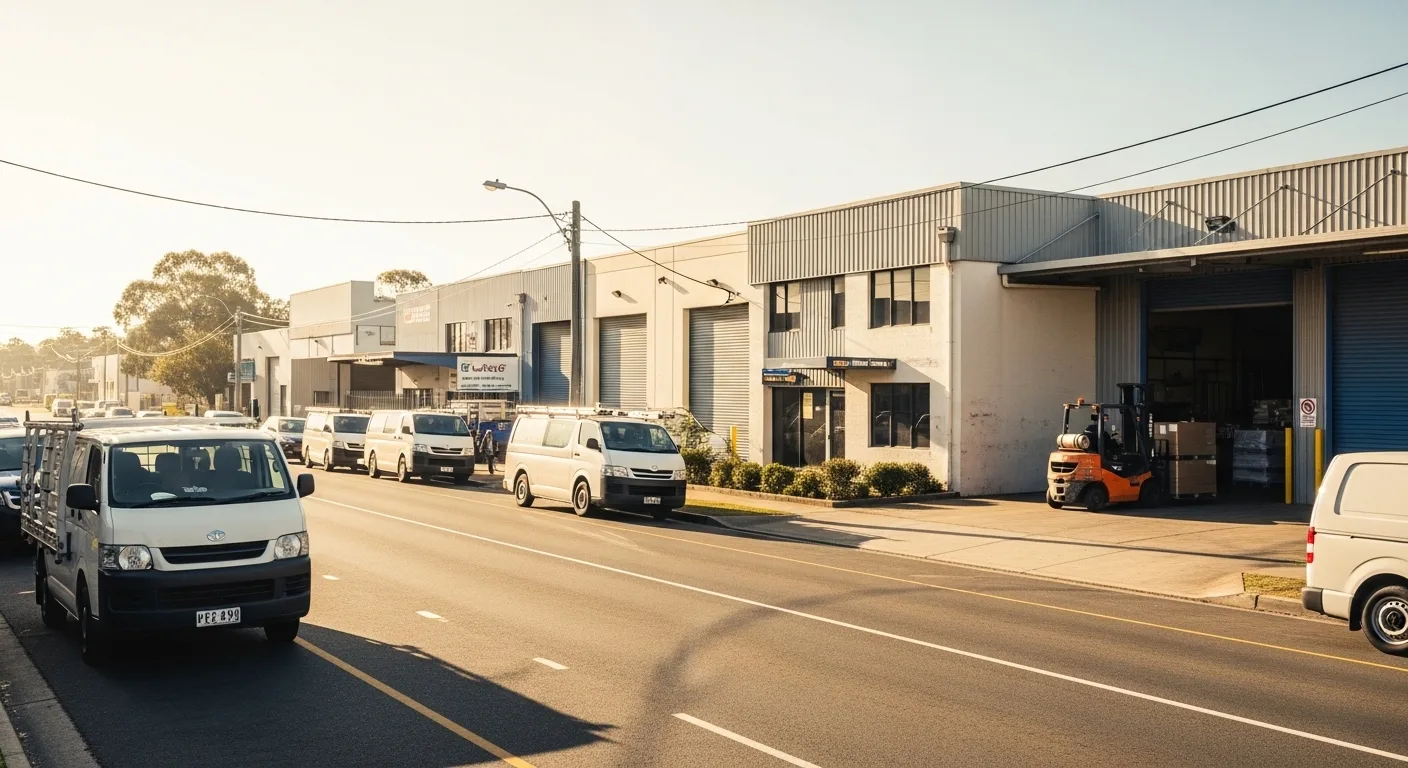
Check Whether Your NSW Business Is Eligible for Small Business Restructuring
Check eligibility now so creditor pressure can be managed before it affects trading continuity, state obligations, or director risk.
Check Your EligibilityLast updated: