
Small Business Restructuring for Tradies — SBR for Plumbers, Electricians & Trade Businesses
Trades represent 12% of all SBR appointments in Australia. Learn how plumbers, electricians, painters, and other tradies use Small Business Restructuring to manage ATO debt while protecting trade licences and keeping vehicles and equipment.
Australian Trades SBR by the Numbers — ASIC Report 810 Data
Trades are the fourth-largest SBR industry in Australia, driven by accumulated ATO PAYG and SGC debt as solo tradies grow into employing contractors.
12% of 3,388 total (ASIC Report 810, Jul 2022 – Dec 2024)
Fourth-largest SBR sector after construction, hospitality, other services
Across completed SBR appointments — ATO supports viable trade plans
Tradies continuing to operate with licences intact after plan completion
Trades SBR sub-segment breakdown
Within the ~12% trades share, plumbers and electricians dominate — reflecting the PAYG/SGC exposure typical of licensed contractors who employ apprentices and labourers.
- ~30%
Plumbers, drainers & gasfitters
Licensed plumbing contractors often carrying accumulated ATO PAYG from employed apprentices
- ~28%
Electricians & electrical contractors
Licensed electrical contractors with equipment finance and motor vehicle exposure
- ~18%
Painters, plasterers & tilers
Finishing trades heavily exposed to builder payment delays and retention holds
- ~12%
HVAC, refrigeration & mechanical
Service and install trades with material-cost exposure on fixed-price contracts
- ~12%
Landscapers, concreters & other
Other licensed trades operating as Pty Ltd entities
Sub-segment shares are estimates based on industry code and licensing distribution in ASIC SBR appointment data. Actual splits vary by quarter and state.
Why Tradies Accumulate ATO Tax Debt — PAYG, GST & Super Timing Traps
Many successful tradies find themselves with significant ATO debt because:
Pressure usually starts with timing, not demand
Jobs can be strong while cash lags behind. When BAS, supplier terms, and equipment costs stack up, debt builds quickly unless sequencing is tightened.
Protect materials and parts continuity
Safeguard supply chains for active jobs to maintain operational flow.
Prioritise critical liabilities
Address debts that can halt trading immediately to avoid disruption.
Use cash forecasting
Build short-term projections to support and defend your restructuring plan.
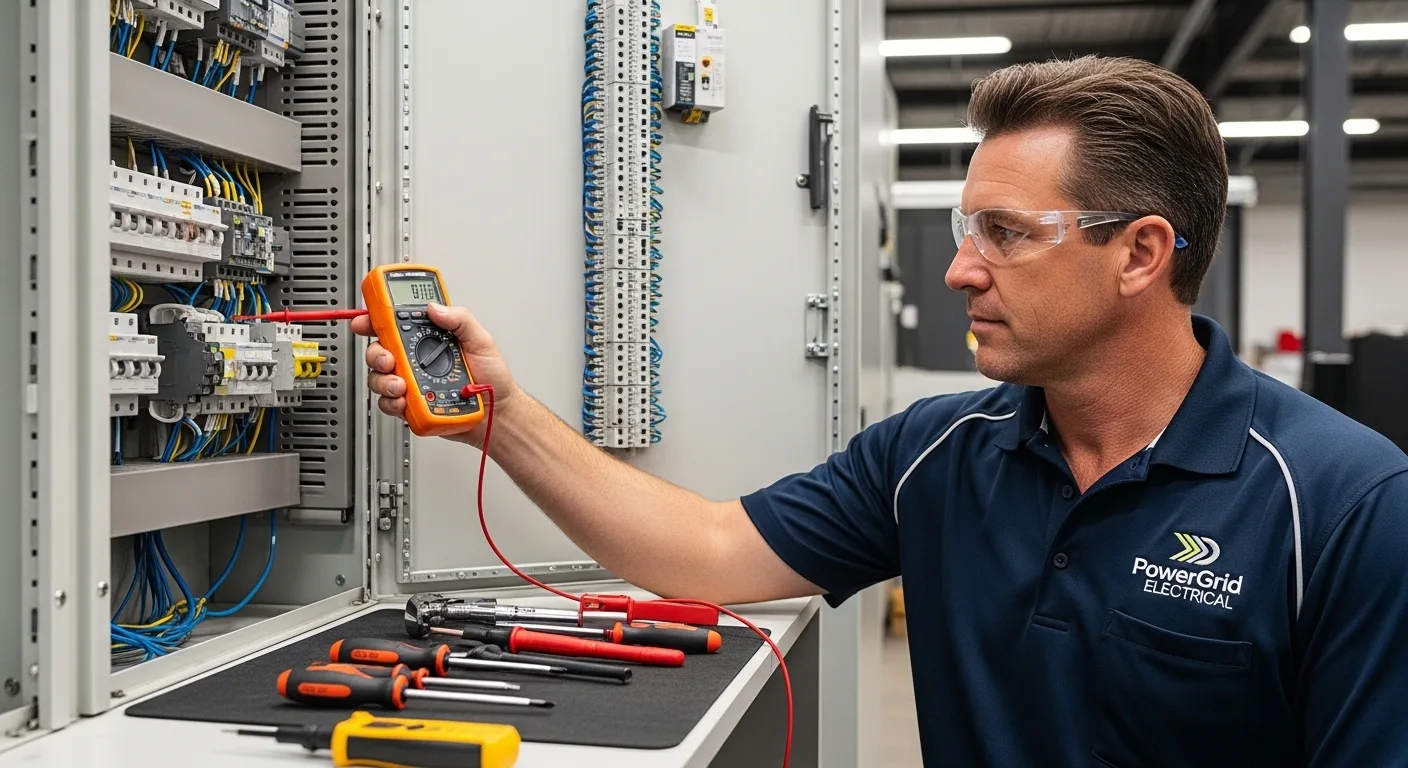
Rapid Growth
Going from solo to employing apprentices creates unexpected PAYG obligations
Cash Flow Timing
Paying GST quarterly when you're waiting on invoices
Super Obligations
Missing deadlines when cash is tight
Equipment Purchases
GST timing on big purchases affects cash flow
Common Trade Business Debt Sources — ATO PAYG, Vehicle Finance & Equipment Loans
- ATO PAYG debt
- Vehicle finance
- Tool and equipment loans
Protecting Your Trade Licence During SBR — Plumbing, Electrical & Building Licences
Unlike liquidation, SBR generally doesn't trigger automatic licence cancellation. Each licensing body assesses situations individually, but being in SBR is viewed more favourably than going into liquidation.
How SBR Helps Tradies — Stay on the Tools, Protect Assets & Reduce Debt
- Stay on the tools: Keep working and invoicing while the plan is developed.
- Protect core assets: Better planning around vehicles, tools, and equipment finance.
- Reduce pressure debt: Restructure legacy obligations into a viable repayment profile.
- Preserve team capability: Keep key staff and apprentices in place where possible.
- Rebuild compliance rhythm: Improve BAS/PAYG discipline to stabilize operations.
Trade Licensing and SBR — State-by-State Regulator Guide for Plumbers, Electricians & Gas-fitters
Plumbing, gas, and electrical licensing is regulated state-by-state in Australia — some states combine these into a single regulator, others split them. SBR does not automatically cancel any trade licence in any state, but each regulator has its own disclosure and financial-fitness framework.
Queensland
QBCC / Electrical Safety — QBCC (plumbing/drainage) + Electrical Safety Office
QBCC regulates plumbing, drainage, and gas-fitting licensees under separate licence categories. Electrical contractor licensing is administered by the Electrical Safety Office. SBR does not automatically cancel either licence, but financial fitness obligations (including QBCC Minimum Financial Requirements) continue and disclosure is required.
New South Wales
NSW Fair Trading — NSW Fair Trading (plumbing) + Safework NSW (electrical)
Plumbing, drainage, gas-fitting, and electrical contractor licences are assessed on the entity and individual licensee. SBR does not automatically disqualify, but disclosure to NSW Fair Trading applies and financial probity is reviewed during the plan period.
Victoria
VBA / ESV — Victorian Building Authority + Energy Safe Victoria
VBA registers plumbers and restricted classes of building practitioners. Energy Safe Victoria licenses electricians. Individual registrations are not cancelled by company SBR but disclosure obligations apply and fitness reviews are possible.
Western Australia
Building and Energy — Building and Energy WA (plumbing, gas, electrical)
Building and Energy WA regulates plumbing, gas-fitting, and electrical licences in a single agency. SBR does not automatically cancel any category, but a restructuring event triggers a financial-fitness review that your practitioner should help prepare for.
South Australia
CBS / OTR — Consumer and Business Services + Office of the Technical Regulator
CBS licenses plumbers, gas-fitters and building work contractors. OTR regulates electrical contractors. Both regulators assess financial probity on insolvency events — SBR is not automatically disqualifying but disclosure is required.
Tasmania
CBOS — Consumer, Building and Occupational Services
CBOS administers licensing for building practitioners, plumbers, and electricians. SBR does not automatically cancel a licence but triggers disclosure and fitness-review obligations.
ACT
Access Canberra — Access Canberra — Construction Occupations & Electrical Regulator
Access Canberra regulates construction occupation licences (plumbers, gas-fitters) and electrical contractor licensing. SBR does not terminate licences but triggers disclosure obligations.
Northern Territory
NT BPB / Electrical Workers — NT Building Practitioners Board + NT Electrical Workers and Contractors Licensing Board
NT Building Practitioners Board handles plumbing and building registrations; the Electrical Workers and Contractors Licensing Board handles electrical contractor licensing. Neither cancels a licence automatically due to SBR but disclosure is required.
Always discuss licensing implications with your restructuring practitioner before appointment. Most state regulators prefer early disclosure and evidence-based engagement over surprises after the plan is lodged.
Perth Tradie
Debt before SBR
$185,000
Debt after SBR
$55,000
Retained trade licence and all vehicles
Trades SBR — First 7 Days Action Plan for Plumbers, Electricians & Tradies
When cash is tight, fast execution and clean sequencing usually matter more than perfect modelling.
- Pull a full debt ledger: ATO, suppliers, equipment finance, rent, and utilities.
- Ringfence wages, super, and insurance so operations remain compliant.
- Map booked jobs by margin, timing, and collection certainty for 13 weeks.
- Pause non-essential spending and centralize creditor communication.
- Reconcile BAS and PAYG lodgements to avoid eligibility delays.
- Prepare cash forecast, debt aging, and current P&L for practitioner review.
Trades Debt Priority Map — SBR Payment Hierarchy for Trade Businesses
| Priority | Debt Class | Why It Matters |
|---|---|---|
| Highest priority | Employee wages, super, and leave | Legal obligations and team stability come first. |
| Operationally critical | Core suppliers and consumables | Stockouts can stop jobs and delay collections. |
| Mobility critical | Vehicle and equipment finance | Asset repossession risk can shut down field operations. |
| Statutory pressure | ATO debt (BAS/PAYG/GST) | Often large and time-sensitive, especially with DPN risk. |
Does SBR Suit Your Trade Business?
SBR works well for trade businesses that meet specific conditions. If the criteria below don't describe your situation, a different pathway — Voluntary Administration, informal ATO negotiation, or orderly closure — may be more appropriate.
SBR suits your trade business if —
- You hold current trade licences (plumbing, electrical, gas, etc.) and intend to keep operating
- Company debts are under $1 million (most common driver: accumulated ATO PAYG and GST)
- BAS and PAYG lodgements are current — or can be brought current in weeks
- Active job book exists with forecastable cash flow from current work
- Equipment finance and vehicle finance can be serviced on ongoing terms during the plan
- Directors want to retain control and avoid insolvent trading exposure from compounding ATO debt
SBR doesn't suit your trade business if —
- Total debts exceed $1 million — VA is the practical restructuring path instead
- Business model no longer viable — job margin has collapsed and cannot be restored
- Persistent BAS lodgement backlog that cannot be rectified before appointment
- Trade licence has already been suspended and cannot be reinstated
- Equipment and vehicle finance is terminally in arrears with imminent repossession
- Company is a sole trader or partnership — SBR is only available to Pty Ltd entities
If a Trades SBR Plan Is Rejected — Fallback Options for Tradies
A rejected vote is not the end of decision quality. Speed, communication, and an alternate path are critical.
- Rework payment terms with key creditors using updated job and cash data.
- Shift to VA where creditor mix or debt complexity blocks an SBR approval.
- Move to orderly closure/liquidation if forward trading is not viable.
- Protect licence position by getting immediate advice specific to your state.
Trade Owner Concerns About SBR — Addressed Directly
The commercial and regulatory objections plumbers, electricians, and other licensed tradies raise most often before entering Small Business Restructuring. If any of these describe your hesitation, work through the answer with your restructuring practitioner before deciding.
Will my plumbing or electrical licence be cancelled if I enter SBR?
No state regulator automatically cancels a trade licence due to SBR. Plumbing, drainage, gas-fitting, and electrical licences are held by the entity or individual contractor — regulators assess ongoing financial fitness and conduct. A plan that reduces company debt typically strengthens the fitness position rather than weakening it. Disclosure obligations apply in every state and should be coordinated with your restructuring practitioner at appointment.
What happens to my vehicle and equipment finance during SBR?
Equipment and vehicle finance is typically secured against the asset (under the PPS Act). SBR does not automatically terminate secured finance, but arrears must be managed — financiers may negotiate continued use in exchange for bringing payments current. Assets fundamental to the business (utes, trailers, tools) should be prioritised in the cash flow. Where repossession risk is imminent, your practitioner may negotiate a standstill while the plan is prepared.
Will suppliers (Reece, CSR, Bunnings Trade, electrical wholesalers) cut me off?
Critical trade suppliers usually prefer a paying, restructuring customer to a bad-debt write-off. Historic supplier debt forms part of the plan; post-appointment orders must be paid on current terms (often COD or shorter terms temporarily). Trade accounts can sometimes be reinstated once the plan is approved. The discipline is never adding new debt to existing creditor balances.
Will head builders terminate my subcontract because of SBR?
Not automatically. Most head builders prefer a continuing subbie to a collapsed one — progress claims, defects liability, and rectification obligations are easier to manage with a trading entity. Review each subcontract for specific termination-on-insolvency clauses with your practitioner before appointment. Early, evidence-based communication typically preserves the relationship.
What about apprenticeship obligations? Will my apprentices be affected?
Apprenticeship agreements are registered with state training authorities and may be affected by an employer's financial events. However, SBR is not the same as liquidation — because the business continues trading, apprenticeships typically continue. Your practitioner will help coordinate any required disclosures to the training authority and Australian Apprenticeship Support Network provider.
What if my ATO debt triggered a Director Penalty Notice before I entered SBR?
DPN options include: pay in full, enter an ATO payment plan, appoint an administrator (VA), appoint a restructuring practitioner (SBR), or appoint a liquidator — provided the DPN is a "non-lockdown" DPN. Appointing a restructuring practitioner within the 21-day DPN window can remit director personal liability for the underlying company tax debt. Lockdown DPNs (where BAS was lodged 3+ months late) cannot be discharged by SBR — they must be paid in full.
Can I take on new jobs during SBR?
Yes. Directors retain control and can continue quoting and signing new work. New jobs help build the viability case for the plan. Prospective clients generally don't know about the SBR unless you disclose it or they search ASIC records. The discipline is resourcing new work without over-committing materials or labour during the plan-voting period.
Trades SBR Glossary — DPN, SGC, Equipment Finance & More
Trade-business restructuring involves terms from the Corporations Act, ATO law, secured finance, and state trade licensing. Concise definitions of the terms that matter most during SBR:
- PAYG Withholding
- Pay-as-you-go tax employers withhold from employee wages and remit to the ATO. For tradies who transitioned from solo to employing apprentices and labourers, accumulated PAYG is often the largest ATO debt component and the most common SBR trigger.
- Superannuation Guarantee Charge (SGC)
- The compulsory superannuation contribution employers must pay for eligible employees (currently 11.5% rising to 12% from 1 July 2025, with quarterly lodgement). Unpaid SGC attracts the SGC Penalty and is recoverable from directors personally via DPN — it cannot be reduced through SBR once crystallised as a director penalty.
- Equipment Finance (chattel mortgage / hire purchase)
- Secured finance for utes, vans, trailers, tools, and plant. The financier holds security over the asset under the Personal Property Securities Act (PPSA). SBR does not automatically terminate equipment finance — arrears are managed as part of the plan where secured-creditor cooperation allows continued use.
- Trade Licence
- A state-issued authorisation to perform licensed trade work (plumbing, gas-fitting, electrical, etc.). Licences are held by specific entities or individual contractors. SBR does not automatically cancel any trade licence in any Australian state, but every state has its own disclosure and fitness-review framework during the plan period.
- Director Penalty Notice (DPN)
- A notice from the ATO making directors personally liable for unpaid company PAYG withholding, SGC, and GST. Directors have 21 days to respond. Non-lockdown DPNs can be discharged by appointing a restructuring practitioner (SBR) within the response window. Lockdown DPNs (BAS lodged 3+ months late) can only be discharged by full payment.
- Subcontract Termination-on-Insolvency Clause
- A provision in a subcontract permitting the head contractor to terminate the agreement if the subcontractor enters insolvency. Common in large commercial contracts. SBR triggers may or may not meet the clause definition — review each contract with your practitioner before appointment.
- Apprentice Training Contract
- A registered training contract between an employer and apprentice, administered by state training authorities and Australian Apprenticeship Support Network providers. SBR does not automatically terminate training contracts because the business continues trading, but disclosure obligations may apply.
- Retention / Retained Money
- A percentage of each progress claim (typically 5–10%) withheld by the head contractor until practical completion and the end of the defects liability period. Retentions belong to the head contractor until released — in SBR, retentions are modelled as future receipts in the plan cash flow, not current assets.
Further Reading for Tradies — DPN, ATO Debt, Comparisons & State Guides
Trade SBR nearly always sits alongside ATO debt, DPN exposure, and state-specific licensing questions. Use these resources before and during your restructuring decision:
Director Penalty Notices
The #1 SBR trigger for tradies. 21-day response window, lockdown vs non-lockdown DPN differences.
ATO tax debt options
How trade businesses work through BAS, PAYG, GST, and SGC arrears during restructuring.
How much SBR costs
Median $16,137 restructuring fee + $6,739 plan fee (ASIC Report 810). Total $15k–$30k.
SBR vs Liquidation
Keep trade licences and equipment vs orderly wind-up — which option fits tradie situations.
SBR vs Voluntary Administration
When trade debt exceeds $1M or creditor complexity needs a more formal process.
How SBR works end-to-end
The 8-step timeline from initial assessment to plan approval and plan completion.
SBR for construction
Construction is 27% of SBRs with significant overlap with trades. QBCC licensing specifics.
SBR by industry breakdown
Construction, hospitality, retail, transport, healthcare, professional services.
SBR in Queensland
QBCC plumbing and electrical licensing, QLD-specific SBR volume, and practitioner availability.
Is Your Trade Business Eligible for Small Business Restructuring?
Get a fast eligibility check before debt pressure impacts supplier access, vehicle finance, or licensing risk.
Check Your EligibilityLast updated: