
Small Business Restructuring for Retail — SBR for Shops & Stores
Retail is Australia's #3 industry using Small Business Restructuring at 15% of all SBR appointments. Learn how shops and stores use SBR to restructure lease obligations, supplier debt, and ATO liabilities while keeping doors open.
Australian Retail SBR by the Numbers — ASIC Report 810 Data
Retail is the third-largest SBR industry in Australia, driven by commercial lease arrears, supplier debt, and margin compression from e-commerce competition.
15% of 3,388 total (ASIC Report 810, Jul 2022 – Dec 2024)
Third-largest SBR sector after construction and hospitality
Across completed SBR appointments — ATO supports viable retail plans
Retail plans preserve stores, staff, and customer relationships
Retail SBR sub-segment breakdown
Within the ~15% retail share, fashion and homewares lead the SBR mix — reflecting discretionary-spend exposure and shopping-centre lease intensity.
- ~25%
Fashion, apparel & footwear
Boutiques, chains, and specialty clothing stores in shopping centres and high street
- ~20%
Homewares, furniture & lifestyle
Furniture, homewares, giftware, and lifestyle retailers facing e-commerce pressure
- ~18%
Specialty food & groceries
Independent grocers, butchers, bakeries, and specialty food retailers
- ~15%
Health, beauty & pharmacy
Pharmacies, beauty retailers, health stores — regulatory licensing applies
- ~22%
Electronics, hardware & other
Electronics retailers, hardware stores, bookshops, and specialty retail
Sub-segment shares are estimates based on industry code and company-size distribution in ASIC SBR appointment data. Actual splits vary by quarter and state.
Retail Challenges Small Business Restructuring Can Address — Rent, Suppliers & Cash Flow
Store performance can hide rising financial pressure
Sales might still be moving while rent, supplier terms, and tax liabilities tighten in the background. Early sequencing usually protects margin and keeps stores trading.
Protect high-margin products
Prioritize stock availability for top-margin items to maintain revenue quality.
Address critical deadlines early
Manage landlord and statutory obligations before they escalate.
Implement weekly cash controls
Monitor cash flow across online and in-store channels with weekly discipline.
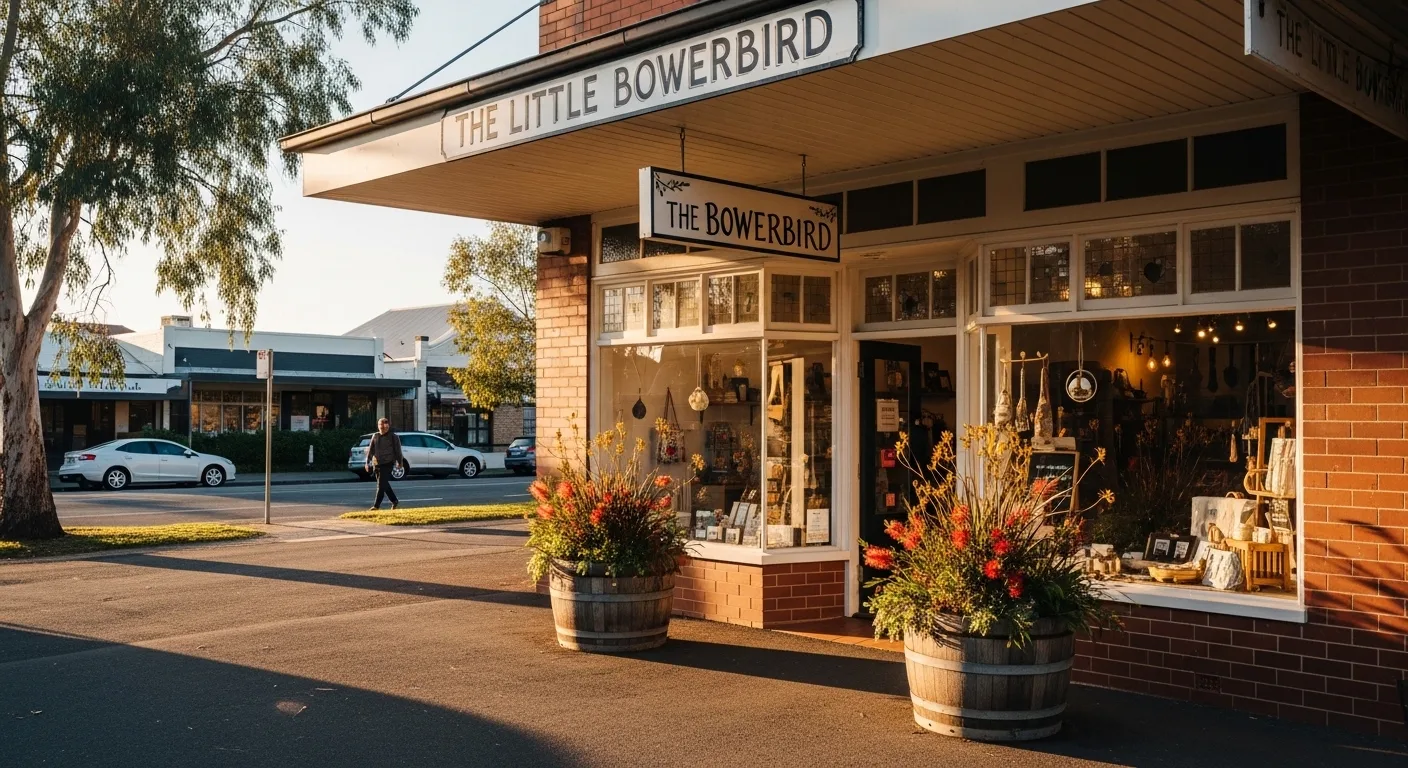
Commercial Leases
High rents in prime locations can strain cash flow
Supplier Relationships
Maintaining stock supply while managing debt
Seasonal Cash Flow
Managing peaks and troughs in revenue throughout the year
Online Competition
E-commerce changing the retail landscape
Common Retail Debt Sources — Commercial Rent, Stock Suppliers & ATO GST
- Commercial rent
- Stock suppliers
- ATO GST debt
State Retail Leases Frameworks — Tenant Protections That Support SBR Negotiations
Most Australian states have dedicated Retail Leases legislation providing landlord disclosure obligations, rent review caps, and dispute mediation through state small business commissioners. These protections continue during SBR and provide leverage when negotiating lease arrears and forward terms.
New South Wales
Retail Leases Act 1994 (NSW)
Protects retail tenants with lease terms ≥6 months. Requires landlord disclosure before signing, caps outgoings, regulates rent review. NSW Small Business Commissioner mediates disputes. Useful during SBR for negotiating arrears and forward terms.
Victoria
Retail Leases Act 2003 (VIC)
Covers most retail premises. Victorian Small Business Commission mediates disputes. Strong tenant protections on disclosure, rent review, and early termination. Particularly useful leverage for SBR negotiations with reluctant landlords.
Queensland
Retail Shop Leases Act 1994 (QLD)
Regulates retail shop leases ≤1,000sqm in shopping centres and many standalone retail sites. QCAT handles disputes. Landlord disclosure requirements and caps on outgoings provide tenant leverage during restructuring.
Western Australia
Commercial Tenancy (Retail Shops) Agreements Act 1985
WA retail tenants have limited statutory protections compared to other states. The Small Business Development Corporation mediates disputes. Contract terms dominate — review the specific lease closely with your practitioner.
South Australia
Retail and Commercial Leases Act 1995 (SA)
SA Small Business Commissioner mediates retail lease disputes. Disclosure obligations and rent review protections apply. Retail and commercial leases are treated under a single Act, simplifying tenant rights analysis.
Tasmania
Fair Trading (Code of Practice for Retail Tenancies) Regulations
Tasmania uses a Code of Practice approach rather than a dedicated Retail Leases Act. Tenant protections are lighter than NSW/VIC/SA. CBOS provides dispute mediation.
ACT
Leases (Commercial and Retail) Act 2001 (ACT)
ACT combines commercial and retail lease regulation. Access Canberra administers disputes. Disclosure and rent review protections apply to retail tenants.
Northern Territory
Business Tenancies (Fair Dealings) Act 2003 (NT)
NT regulates business tenancies including retail through a fair dealings framework. Mediation is available through NT Consumer Affairs. Protections are moderate compared to east-coast states.
State Retail Leases Acts apply to most retail premises but have definition thresholds (e.g. NSW requires lease term ≥6 months; QLD generally applies to leases in shopping centres and ≤1,000sqm standalone sites). Confirm applicability with your practitioner before appointment.
Sydney Retailer
Debt before SBR
$290,000
Debt after SBR
$87,000
Retained key supplier relationships and store locations
Retail SBR — First 7 Days Action Plan for Shop Owners
When retail cash flow tightens, early sequencing is often the difference between recovery and decline.
- Map lease obligations, arrears, and critical landlord deadlines.
- Prioritize stock continuity for top-margin and high-turn products.
- Reconcile ATO debt, BAS status, and any lodgement backlog.
- Split suppliers into critical, negotiable, and non-essential cohorts.
- Set a daily cash tracker across store, e-commerce, and payroll outflows.
- Prepare debt aging, margin report, and 13-week cash flow for practitioner review.
Retail Debt Priority Map — SBR Payment Hierarchy for Shops & Stores
| Priority Level | Debt Type | Why It Matters |
|---|---|---|
| Highest priority | Employee wages, super, and leave | Staff continuity and legal compliance are non-negotiable. |
| Premises-critical | Lease and landlord obligations | Store continuity depends on active lease management. |
| Trading-critical | Key inventory suppliers | Loss of stock supply can quickly collapse revenue. |
| Statutory pressure | ATO liabilities | Lodgement discipline materially affects outcome quality. |
Does SBR Suit Your Retail Business?
SBR works well for retail businesses that meet specific conditions. If the criteria below don't describe your situation, a different pathway — Voluntary Administration, informal lease renegotiation, or orderly closure — may be more appropriate.
SBR suits your retail business if —
- Retail operations remain viable — foot traffic, online sales, or both support forward trading
- Company debts are under $1 million (commercial lease arrears, supplier debt, ATO dominate)
- BAS and PAYG lodgements are current — or can be brought current before appointment
- Landlord is open to engagement on arrears and forward rent (sometimes the critical variable)
- Key inventory suppliers are willing to maintain continuity on current-terms orders
- Directors want to retain the brand, customer list, and staff relationships
SBR doesn't suit your retail business if —
- Total debts exceed $1 million — VA is the practical restructuring path instead
- Retail concept is no longer viable — foot traffic has collapsed and online cannot compensate
- Persistent BAS lodgement backlog that cannot be rectified before appointment
- Landlord has already terminated the lease and relocation is not feasible
- Inventory has been run down and re-stocking during the plan would require secured finance
- Company is a sole trader or partnership — SBR is only available to Pty Ltd entities
If a Retail SBR Plan Is Rejected — Fallback Options for Shop Owners
Have fallback actions ready before voting closes. Retail cash flow can deteriorate quickly if supply or lease pressure escalates.
- Negotiate revised landlord and supplier terms using updated cash evidence.
- Escalate to VA if creditor complexity blocks an SBR approval.
- Move to orderly wind-down/liquidation if viable trading cannot be restored.
- Protect customer trust with clear communication and service continuity plans.
Retailer Concerns About SBR — Addressed Directly
The commercial objections shop and store owners raise most often before entering Small Business Restructuring. If any of these describe your hesitation, work through the answer with your restructuring practitioner before deciding.
Will my shopping centre landlord evict me when they learn about SBR?
Commercial landlords — including shopping centre operators — generally prefer a paying, restructuring tenant to an empty shopfront. Vacancy costs landlords lost rent, lost outgoings recovery, empty-shop marketing void, and fit-out reinstatement costs. Retail Leases Acts in most states limit landlord termination rights for financial events alone. Review your lease for specific termination-on-insolvency clauses with your practitioner — some anchor-tenant and shopping centre leases contain broader termination rights.
Will key inventory suppliers cut me off during SBR?
Critical inventory suppliers usually prefer a paying, restructuring customer to a total write-off. Historic supplier debt forms part of the plan; post-appointment orders must be paid on current terms — sometimes COD or shorter terms temporarily. Suppliers with strong retail brands (e.g. fashion, electronics wholesalers) may reinstate normal terms once the plan is approved. The discipline is never adding new debt to existing creditor balances.
What happens to customer gift cards and loyalty programs during SBR?
Unredeemed gift cards create contingent liabilities in the plan. Most retailers continue honouring gift cards during SBR to preserve brand and customer trust. Loyalty point redemptions similarly continue. Document your gift card and loyalty program stock at appointment so the plan accurately reflects contingent obligations. Australian Consumer Law also provides consumer protections around gift card expiry that continue during SBR.
Can we continue online sales and marketing campaigns during SBR?
Yes. Directors retain control and day-to-day operations continue. Online sales, promotional campaigns, and new-product launches help build the viability case for the plan. Payment gateway providers (Stripe, Shopify Payments, etc.) generally do not suspend accounts due to SBR alone — but review merchant agreements with your practitioner for specific insolvency clauses.
What if we operate across multiple stores? Can we close one and keep others open?
SBR applies to the company, not to specific stores. If the company operates multiple retail sites, the plan can include closing unprofitable stores while continuing the viable ones. Multi-store retailers often use SBR precisely to prune loss-making sites while preserving cash-generating stores. The plan outlines proposed closures and associated lease surrender costs.
Will our franchisor terminate the agreement if we enter SBR?
Most franchise agreements require disclosure of insolvency events and some contain termination-on-insolvency clauses. However, franchisors generally prefer supporting a viable restructure to enforcing termination, particularly where territory goodwill, fit-out investment, and franchisee training are material. Review the specific franchise agreement with your practitioner before appointment. Franchisors with master-leases also engage with the landlord question.
How is stock on consignment or on credit treated in SBR?
Stock held on consignment remains the consignor's property and is not part of the insolvent estate — consignors can typically recover unsold stock. Stock supplied on credit (with retention-of-title clauses and PPSA registration) may be recoverable by the supplier depending on the specific security position. Your practitioner will identify which stock is company property versus supplier property at appointment.
Retail SBR Glossary — Retail Leases, Consignment, ROT & More
Retail restructuring sits across corporate insolvency, state retail lease law, supplier security law (PPSA), and consumer protection frameworks. Concise definitions of the terms that matter during SBR:
- Retail Lease
- A commercial lease for retail premises, regulated in most Australian states by state-specific Retail Leases legislation (e.g. Retail Leases Act 1994 NSW, 2003 VIC, 1995 SA). Retail leases typically include enhanced tenant protections — landlord disclosure obligations, rent review caps, and dispute mediation through state small business commissioners.
- Commercial Lease Arrears
- Unpaid rent, outgoings, and other lease charges owed to a commercial landlord. In SBR, arrears are restructured as part of the plan; ongoing rent is paid on current terms to preserve tenancy. Some leases contain termination-on-insolvency clauses — review these with your practitioner before appointment.
- Stock-on-Consignment
- Inventory supplied to a retailer but legally still owned by the consignor until sold. Consignment stock is not part of the insolvent estate — consignors can typically recover unsold stock. Your practitioner identifies consignment arrangements at appointment to separate consignment stock from company-owned inventory.
- Retention of Title (ROT) / Romalpa Clause
- A supplier contractual clause retaining legal ownership of goods until payment is received. ROT creditors may be able to recover unsold stock during SBR depending on whether they registered a security interest on the Personal Property Securities Register (PPSR) and the terms of the supply agreement.
- Gift Card / Loyalty Liabilities
- Unredeemed gift cards and unpaid loyalty-point values create contingent liabilities. Most retailers continue honouring gift cards and loyalty programs during SBR to preserve customer trust and brand. Australian Consumer Law gift card rules (3-year minimum expiry) continue to apply.
- Franchise Agreement
- A contract between a franchisor and franchisee granting the right to use a brand and operating system. Most franchise agreements require disclosure of insolvency events and some contain termination-on-insolvency rights. SBR does not automatically terminate a franchise — review specific clauses with your practitioner.
- Anchor Tenant / Shopping Centre Lease
- A lease within a managed shopping centre, often with additional provisions around trading hours, centre marketing contributions, and tenant mix. Shopping centre leases commonly contain enhanced landlord rights on insolvency events. Review the lease specifically with your practitioner before appointment.
- Outgoings Recovery
- The process by which landlords recover centre operating costs (rates, insurance, maintenance, marketing levies) from retail tenants under the lease. Retail Leases Acts in most states cap what can be recovered and require landlord disclosure. Outgoings arrears often form a material portion of commercial lease debt and are reducible through SBR.
Further Reading for Retailers — ATO, DPN, Comparisons & State Guides
Retail SBR usually sits alongside ATO debt, DPN exposure, lease disputes, and supplier renegotiation. Use these resources before and during your restructuring decision:
Director Penalty Notices
21-day response window and options. Common SBR trigger for retailers with PAYG/super arrears.
ATO tax debt options
How retailers work through BAS, GST, and PAYG arrears during restructuring.
How much SBR costs
Median $16,137 restructuring fee + $6,739 plan fee (ASIC Report 810). Total $15k–$30k.
SBR vs Liquidation
Keep stores and trading vs orderly wind-up — which option fits retailer situations.
SBR vs Voluntary Administration
When retail debt exceeds $1M or creditor complexity needs a more formal process.
How SBR works end-to-end
The 8-step timeline from initial assessment to plan approval and plan completion.
SBR for hospitality
Hospitality is 22% of SBRs. Shared lease and supplier dynamics with retail.
SBR by industry breakdown
Construction, hospitality, trades, transport, healthcare, professional services.
SBR in New South Wales
NSW-specific SBR volume, Retail Leases Act 1994, and practitioner availability.
Retail SBR FAQs — Retail Leases, Consignment Stock, Gift Cards & Franchise Terms

Is Your Retail Business Eligible for Small Business Restructuring?
Check eligibility before supplier tightening, lease pressure, or ATO escalation limits your restructuring options.
Check Your EligibilityLast updated: