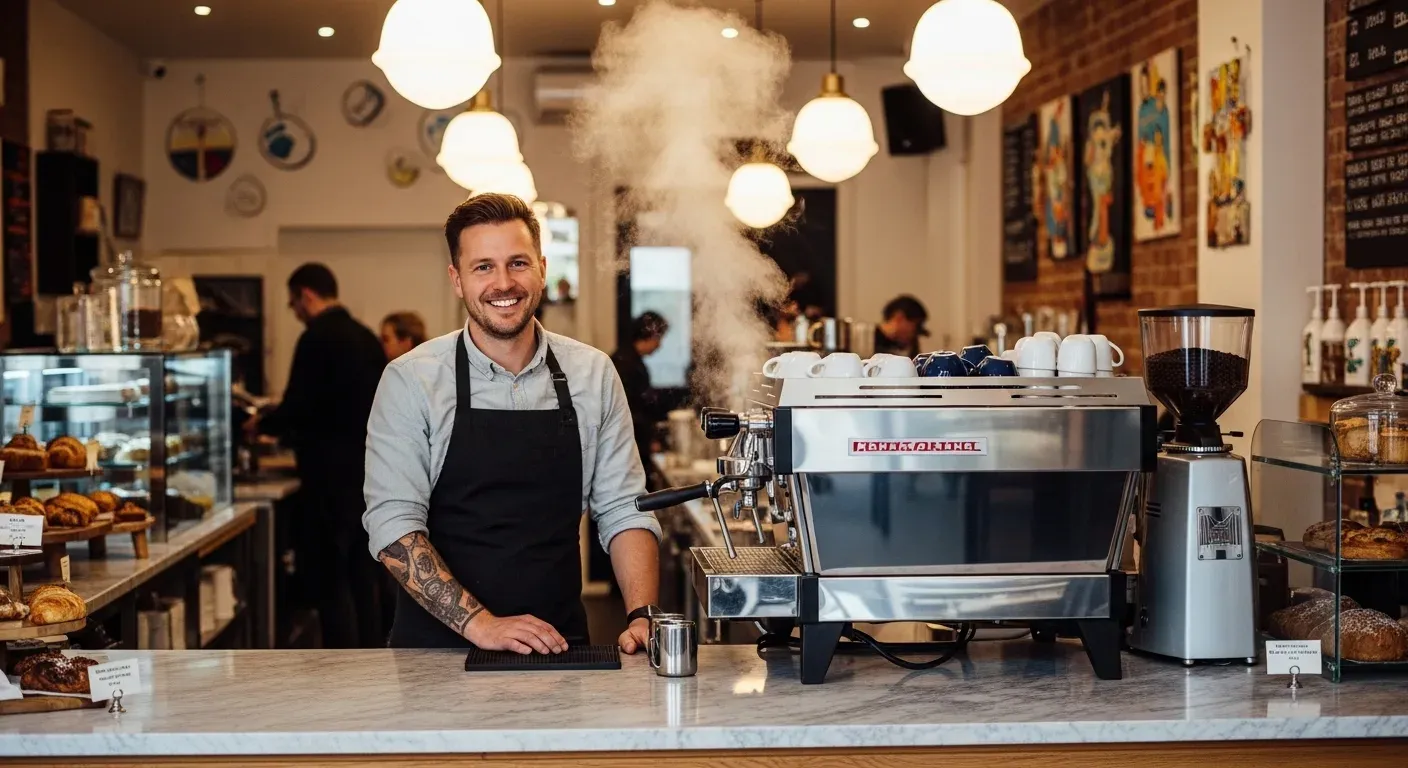
Small Business Restructuring for Restaurants & Hospitality — SBR for Cafes, Bars & Food Services
Hospitality is Australia's #2 industry using Small Business Restructuring at 23% of all SBR appointments. Learn how restaurants, cafes, and bars use SBR to restructure COVID-era debt, manage landlord arrears, and keep venues trading.
Australian Hospitality SBR by the Numbers — ASIC Report 810 Data
Hospitality is the second-largest SBR industry in Australia, driven by COVID-era ATO debt, lease arrears, and narrow margins. Understanding the sub-segment breakdown helps operators see how their venue compares.
22% of 3,388 total (ASIC Report 810, Jul 2022 – Dec 2024)
Second-largest SBR sector after construction (27%)
Across completed SBR appointments — ATO supports viable plans
Hospitality plans preserve venues, staff, and goodwill
Hospitality SBR sub-segment breakdown
Within the ~22% hospitality share, cafes and restaurants dominate, reflecting the cash-flow profile of thin-margin operations with significant fixed costs (rent, wages, utilities).
- ~55%
Cafes & restaurants
Sit-down dining, casual dining, and licensed restaurants
- ~20%
Pubs, taverns & bars
Licensed venues with beverage-led revenue and late-trading hours
- ~15%
Catering & takeaway
Event catering, delivery-first food services, and contract catering
- ~10%
Clubs & function venues
Members clubs, function centres, and event-hosting venues
Sub-segment shares are estimates based on industry code and company-size distribution in ASIC SBR appointment data. Actual splits vary by quarter and state.
The COVID Debt Legacy — Why Hospitality Businesses Need SBR in 2026
Many hospitality businesses took on significant debt during COVID, including:
- • Deferred rent that's now being called in
- • ATO debt from JobKeeper reconciliation
- • Supplier accounts extended during lockdowns
- • Emergency loans taken to survive closures
Operational pressure usually builds before revenue drops
Hospitality businesses can stay busy while margins compress. Fast action on roster efficiency, stock control, and creditor sequencing often protects the most option value.
Maintain core service capacity
Keep critical service windows fully staffed and supplied to protect revenue.
Prioritise critical liabilities
Address debts that can shut the venue quickly (utilities, licenses, rent).
Use venue-specific cash modeling
Build 13-week forecasts tied to actual trading cycles and peak periods.

Why Restaurants, Cafes & Bars Use Small Business Restructuring — 23% of All SBR Cases
Restaurants, cafes, and bars face unique challenges that SBR can address:
- Seasonal fluctuations: Revenue varies significantly through the year
- High fixed costs: Rent, staff, and utilities don't stop when business is slow
- Thin margins: Even small revenue drops can create cash flow problems
- Perishable inventory: Food waste compounds financial pressure
- Landlord relationships: Commercial leases can be complex to negotiate
Common Hospitality Debt Sources — ATO, Landlord Arrears & Supplier Accounts
- ATO JobKeeper debt
- Rent arrears
- Supplier accounts
How SBR Helps Hospitality Businesses — Keep Trading, Reduce Debt & Protect Goodwill
- Keep trading: Continue serving customers while restructuring
- Reduce debt burden: Make the business profitable again at reduced debt levels
- Preserve staff: Keep your team employed throughout the process
- Protect goodwill: Maintain your reputation and customer relationships
- Landlord negotiations: SBR can provide leverage in lease discussions
Hospitality Liquor Licensing and SBR — State-by-State Regulator Guide
No state liquor regulator in Australia automatically cancels a licence because of Small Business Restructuring — but every state has its own disclosure and fitness-review framework during the plan period.
New South Wales
L&GNSW / ILGA — Liquor & Gaming NSW / Independent Liquor and Gaming Authority
Liquor licences are held by the licensee and are not automatically cancelled by SBR on the corporate licensee. ILGA may review licence conditions where the restructure materially affects financial fitness. Disclosure is generally required and should be coordinated with your practitioner.
Victoria
VGCCC — Victorian Gambling and Casino Control Commission (liquor licensing)
Liquor licences remain in the licensee's name through SBR. VGCCC assesses ongoing fitness — a restructure that improves the licensee's financial position typically supports continued licensing. Notify VGCCC at appointment.
Queensland
OLGR — Office of Liquor and Gaming Regulation (QLD)
Liquor licensees must remain fit and proper to hold the licence. SBR on the corporate licensee does not automatically cancel the licence, but material changes in financial position must be disclosed to OLGR.
Western Australia
DLGSC — Department of Local Government, Sport and Cultural Industries (Liquor)
WA liquor licensing is assessed by the Director of Liquor Licensing. SBR is not automatically disqualifying, but disclosure obligations apply and fitness reviews may be triggered.
South Australia
CBS — Consumer and Business Services (Liquor & Gambling)
SA liquor licences are held on corporate or individual bases. CBS assesses financial probity and licensee conduct during restructuring. Early notification preserves the cooperative posture CBS expects.
Tasmania
LGB (TAS) — Liquor and Gaming Branch, Department of Treasury and Finance
Tasmania's Liquor and Gaming Branch supervises liquor licensing. SBR does not automatically cancel a licence, though disclosure and continuing fitness requirements apply.
ACT
Access Canberra — Access Canberra — Liquor Regulator
ACT liquor licensing is administered by Access Canberra. SBR does not terminate a licence but triggers disclosure obligations and potential fitness reviews.
Northern Territory
NT Liquor Commission — Northern Territory Liquor Commission
NT Liquor Commission supervises liquor licensing. SBR triggers disclosure obligations — material changes to licensee financial position are reviewed, but SBR itself is not automatically disqualifying.
Food safety registration is local-council administered and not automatically affected by SBR. Always coordinate regulator communication with your restructuring practitioner — disclosures made early typically produce better outcomes than surprises after the plan is lodged.
Melbourne Restaurant
Debt before SBR
$381,000
Debt after SBR
$150,000
Restaurant continues to operate with reduced debt burden
Tips for Hospitality Businesses Considering SBR
Hospitality SBR — First 7 Days Action Plan for Restaurant & Cafe Owners
If cash pressure is escalating, speed and sequencing matter more than perfect forecasts.
- Map all landlord arrears, payment plans, and lease critical dates.
- Reconcile ATO debt, BAS status, and lodgement backlog immediately.
- Segment suppliers into critical vs deferrable to protect service continuity.
- Set a daily cash tracker by venue, roster, and stock cycle.
- Review menu margin and wastage lines for fast cash-flow improvements.
- Prepare current P&L, debt aging, and 13-week cash forecast for practitioner review.
Hospitality Debt Priority Map — SBR Payment Hierarchy for Restaurants & Venues
| Priority Level | Debt Type | Why It Matters |
|---|---|---|
| Highest priority | Employee wages, super, and leave | Staff continuity and legal compliance are non-negotiable. |
| Trading-critical | Food, beverage, and utility suppliers | Supply interruption can stop service rapidly. |
| Premises-critical | Landlord and lease obligations | Venue continuity depends on active lease management. |
| Statutory pressure | ATO liabilities | Often material in hospitality; lodgement discipline strongly influences outcomes. |
Does SBR Suit Your Hospitality Business?
SBR works well for hospitality operators that meet specific conditions. If the criteria below don't describe your situation, a different pathway — Voluntary Administration, informal lease renegotiation, or orderly closure — may be more appropriate.
SBR suits your hospitality business if —
- You hold current liquor and food licences and intend to keep trading
- Company debts are under $1 million (ATO, landlord, suppliers typically dominate)
- BAS and PAYG lodgements are current — or can be brought current before appointment
- Venue remains viable: revenue is recovering or stable, and margins work at reduced debt
- Landlord is willing to engage on a restructured plan (sometimes the critical variable)
- Directors want to retain the brand, goodwill, and staff relationships
SBR doesn't suit your hospitality business if —
- Total debts exceed $1 million — VA is the practical restructuring path instead
- Venue is no longer viable — revenue cannot cover rent and staff even at zero debt
- BAS lodgement backlog cannot be rectified before appointment
- Landlord has already terminated the lease and no replacement venue is secured
- Liquor or food licences have been suspended and cannot be reinstated
- Company is a sole trader or partnership — SBR is only available to Pty Ltd entities
If a Hospitality SBR Plan Is Rejected — Fallback Options for Restaurant Owners
Have a fallback plan before creditor voting starts. Hospitality can deteriorate quickly when supplier or lease pressure escalates.
- Re-negotiate key landlord/supplier terms using updated cash evidence.
- Shift to VA where creditor complexity is too high for an SBR approval.
- Move to orderly closure/liquidation if viable trading cannot be restored.
- Protect brand and customer trust with controlled communication plans.
Hospitality Owner Concerns About SBR — Addressed Directly
The commercial and regulatory objections restaurant, cafe, bar and catering owners raise most often before entering Small Business Restructuring. If any of these describe your hesitation, work through the answer with your restructuring practitioner before deciding.
Will my landlord evict me when they learn about the SBR?
Commercial landlords generally prefer a paying, restructuring tenant to an empty shopfront with three months of lost rent, marketing void, and fit-out clean-up costs. Under SBR, existing rental arrears form part of the plan, while ongoing rent is paid on current terms. Early, evidence-based engagement with the landlord (cash flow forecast, plan summary, payment schedule) typically preserves the tenancy. Review your lease for specific termination-on-insolvency clauses with your practitioner before appointment — some leases require landlord consent to ongoing occupation during external administration.
Will my liquor licence be cancelled if I enter SBR?
No state liquor regulator automatically cancels a licence due to SBR. Regulators assess ongoing fitness — a plan that improves the licensee's financial position (by reducing debt) typically supports continued licensing. Disclosure obligations apply in every state and must be coordinated with your practitioner at or shortly after appointment.
What happens to customer bookings, gift vouchers, and deposits?
Unredeemed gift vouchers and forward bookings create contingent liabilities in the plan. Most hospitality operators continue honouring vouchers and bookings during SBR — this protects brand, bookings revenue, and cash flow. Advance deposits for events already held in trust are generally separate from unsecured debt. Document your voucher and booking stock at appointment so the plan accurately reflects contingent obligations.
Will suppliers cut us off — food, beverage, power, gas?
Critical suppliers usually prefer a paying, restructuring customer to a bad-debt write-off. Historic supplier debt forms part of the plan; post-appointment orders must be paid on current terms. The discipline is never running a new-purchase arrears tab on existing debt balances. Some suppliers may move you to COD or shorter terms temporarily — this is usually acceptable while the plan is being voted on.
What if I have a franchise or licensed brand (e.g. Subway, Grill'd, Zambrero)?
Franchise agreements typically require disclosure of insolvency events. Most franchisors prefer supporting a viable restructure to enforcing termination rights, particularly where territory goodwill and franchisee training investment is material. Franchise agreements are not automatically terminated by SBR, but review specific termination-on-insolvency clauses with your practitioner before appointment. Franchisors with master-leases will also need to engage with the landlord question.
Can we run promotional campaigns and take new bookings during SBR?
Yes. Directors retain control and day-to-day operations continue. Hospitality businesses often use SBR specifically to preserve trading through a quiet period — new bookings and marketing activity help build the viability case. The discipline is ensuring new work is resourced (staff, stock, margin) so it doesn't deepen cash pressure while the plan is being voted on.
How do staff and tips/TAB/gaming obligations work during SBR?
Employee entitlements (wages, super, leave) are protected and paid in full — they are not part of the reducible debt. Tip pools, TAB commissions, and gaming-venue turnover obligations are typically ring-fenced from company debt because they are held in trust or belong to third parties. Your practitioner will isolate these obligations from the restructurable debt pile.
Hospitality SBR Glossary — Liquor Licensing, Lease Arrears, Trust Monies & More
Hospitality restructuring sits across corporate insolvency, state liquor licensing, commercial lease law, and food safety regulation. Concise definitions of the terms that matter during SBR:
- Liquor Licence
- A state-issued authorisation to sell or supply alcohol for consumption on or off licensed premises. Licences are held by specific entities or individuals and are not transferable without regulator approval. SBR does not automatically cancel a liquor licence in any Australian state, but state-specific disclosure and fitness-review obligations apply.
- Commercial Lease Arrears
- Unpaid rent, outgoings, and other lease charges owed to a commercial landlord. In SBR, arrears are restructured as part of the plan; ongoing rent is paid on current terms to preserve tenancy. Some leases contain termination-on-insolvency clauses — review these with your practitioner before appointment.
- JobKeeper Reconciliation Debt
- ATO debt arising from JobKeeper Payment overclaims, discrepancies, or repayment demands following the 2020–21 wage subsidy scheme. Many hospitality operators continue to carry material JobKeeper reconciliation debt — this is a typical SBR trigger and is reducible like other ATO unsecured debt.
- Food Safety Registration
- Local council or state food authority registration required to operate a food business. Registration renews annually. SBR does not automatically suspend food safety registration, but renewal fees and inspection obligations continue during the plan.
- Gift Vouchers & Forward Bookings
- Unredeemed gift vouchers and paid-in-advance bookings create contingent liabilities. Operators typically continue honouring these during SBR to preserve brand and revenue; the plan discloses contingent obligations so creditors have a complete picture.
- Franchise Agreement
- A contract between a franchisor and franchisee granting the right to use a brand and operating system. Most franchise agreements require disclosure of insolvency events. SBR does not automatically terminate a franchise — review specific clauses with your practitioner before appointment.
- Rent Geared to Turnover
- Commercial lease terms where a portion of rent is calculated as a percentage of gross turnover. Landlord cooperation during SBR often depends on whether existing geared-rent terms continue or need renegotiation as part of plan viability.
- Trust Monies (Tips, TAB, Gaming)
- Funds held on behalf of third parties — including tip pools distributed to staff, TAB commission owed to racing authorities, and gaming venue turnover held for patron payouts. Trust monies are generally not part of the restructurable debt pile and are isolated by the practitioner at appointment.
Further Reading for Hospitality Operators — ATO, DPN, Comparisons & State Guides
Hospitality SBR usually sits alongside ATO debt, DPN exposure, and state-specific liquor questions. Use these resources before and during your restructuring decision:
Director Penalty Notices
21-day response window and options. Common SBR trigger for operators carrying PAYG/super arrears.
ATO tax debt & JobKeeper reconciliation
How hospitality operators work through BAS, PAYG, GST, and JobKeeper overclaim debt.
How much SBR costs
Median $16,137 restructuring fee + $6,739 plan fee (ASIC Report 810). Total $15k–$30k.
SBR vs Liquidation
Keep licences and venues trading vs orderly wind-up — which option fits hospitality situations.
SBR vs Voluntary Administration
When hospitality debt exceeds $1M or creditor complexity needs a more formal process.
How SBR works end-to-end
The 8-step timeline from initial assessment to plan approval and plan completion.
SBR by industry breakdown
Construction, retail, trades, transport, healthcare, professional services.
SBR in New South Wales
NSW-specific SBR volume, Liquor & Gaming NSW interaction, and practitioner availability.
SBR in Victoria
VIC-specific SBR volume, VGCCC liquor licensing, and practitioner availability.
Hospitality SBR FAQs — Liquor Licensing, Landlord Arrears, JobKeeper Debt & Trust Monies
Is Your Restaurant or Hospitality Business Eligible for Small Business Restructuring?
Check eligibility now so lease, supplier, and ATO pressure can be addressed before trading options narrow.
Check Your EligibilityLast updated: