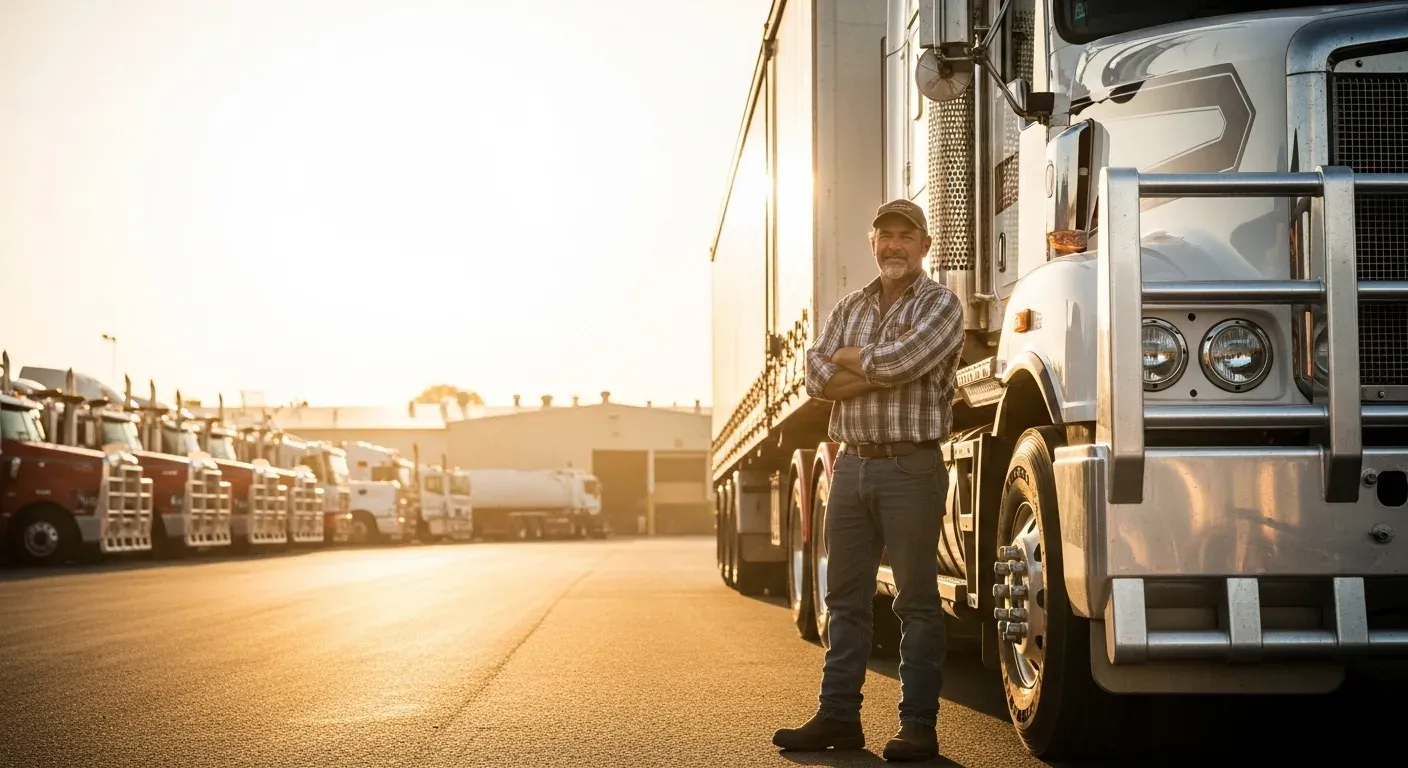
Small Business Restructuring for Transport & Logistics — SBR for Trucking & Fleet Operators
Transport businesses can use SBR to restructure debt while keeping vehicles on the road and contracts intact.
Australian Transport & Logistics SBR by the Numbers — ASIC Report 810 Data
Transport is the fifth-largest SBR industry in Australia, driven by fleet finance arrears, fuel-price volatility, and rate card erosion on fixed-rate contracts.
8% of 3,388 total (ASIC Report 810, Jul 2022 – Dec 2024)
Transport, postal & warehousing sector SBR share
Across completed SBR appointments — ATO supports viable fleet operators
Transport plans preserve fleet, contracts, and customer relationships
Transport SBR sub-segment breakdown
Within the ~8% transport share, road freight and courier operators lead the SBR mix — reflecting PAYG and fleet finance exposure typical of vehicle-heavy operations.
- ~40%
Road freight (general haulage)
Long-haul and metro trucking, general cargo, fleet operators
- ~25%
Couriers & last-mile delivery
Parcel delivery, courier networks, e-commerce logistics
- ~15%
Specialised freight
Refrigerated, hazardous goods, oversize/heavy haulage, livestock
- ~10%
Bus, charter & passenger
School bus operators, charter, airport transfers, tourism transport
- ~10%
Warehousing, 3PL & other
Warehousing, 3PL operators, freight forwarding, logistics services
Sub-segment shares are estimates based on industry code and company-size distribution in ASIC SBR appointment data. Actual splits vary by quarter and state.
Why Transport & Logistics Businesses Face Insolvency — Industry-Specific Financial Challenges
Where operators usually lose control first
When receivables slow and fuel or supplier terms tighten, pressure escalates quickly. Stabilising operations and cash timing early creates better restructuring outcomes.
Protect route continuity
Maintain SLA-critical deliveries to preserve contracts and revenue flow.
Prioritise critical creditors
Address creditors that can halt operations immediately, like fuel and maintenance suppliers.
Use credible cash forecasting
Build a 13-week forecast to sequence payments and defend your plan.
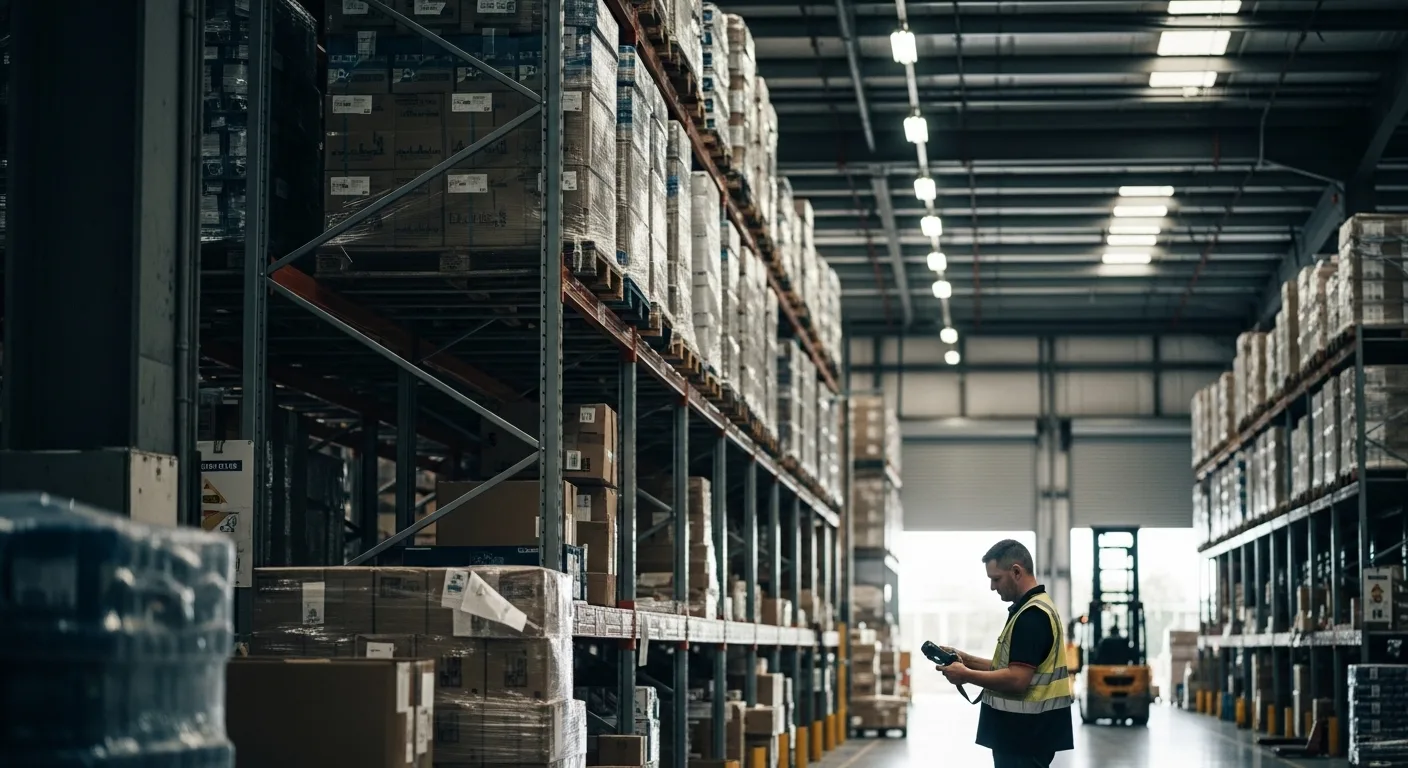
High Capital Costs
Trucks and equipment require significant financing and ongoing payments
Fuel Price Volatility
Unpredictable operating costs affect margins significantly
Contract Pressure
Major clients demanding lower rates squeeze profitability
Maintenance Costs
Keeping an aging fleet roadworthy requires constant investment
Common Transport & Trucking Debt Sources — Fleet Finance, Fuel & ATO Liabilities
- Truck finance
- Fuel accounts
- ATO diesel fuel rebate issues
How Small Business Restructuring Helps Transport Operators Keep Fleet Running
- Keep freight moving: Continue trading while debt strategy is built and voted on.
- Protect contract value: Improve your position with major customers through a credible restructuring plan.
- Stabilize fleet economics: Prioritize fuel, maintenance, and route profitability decisions.
- Manage finance pressure: Better sequencing of lender and asset-finance exposure.
- Restore compliance rhythm: Improve BAS/PAYG discipline to support long-term viability.
NHVR, Passenger Transport & State Regulators — Accreditation Through SBR
Transport is regulated nationally by NHVR for heavy vehicles and state-by-state for passenger transport accreditation. No regulator automatically cancels accreditation because of SBR, but every framework has its own disclosure obligations during the plan period.
National (all states)
NHVR — National Heavy Vehicle Regulator — heavy vehicle accreditation & compliance
NHVR regulates heavy vehicles (>4.5t GVM) nationally. Operator accreditation (Mass Management, Maintenance Management, Basic Fatigue Management) continues during SBR but may be reviewed for fitness. SBR itself does not automatically suspend accreditation, but material financial or compliance changes must be disclosed.
New South Wales
Transport for NSW / SafeWork — Transport for NSW (operator accreditation) + SafeWork NSW (WHS)
Bus operators, point-to-point transport (taxis, rideshare, hire cars) require Transport for NSW accreditation. Chain-of-responsibility compliance is policed by SafeWork NSW. Disclosure obligations apply during SBR.
Victoria
VTA / CPV — Commercial Passenger Vehicles Victoria + Bus Safety Vic
Commercial Passenger Vehicles Victoria accredits taxi, hire car, and rideshare operators. Bus Safety Victoria handles bus operator accreditation. Freight operators fall under NHVR. SBR triggers disclosure to relevant accrediting body.
Queensland
TMR — Queensland Department of Transport and Main Roads
QLD TMR regulates passenger-vehicle accreditation, bus safety, and maritime operations. Heavy vehicle operators fall under NHVR. SBR requires disclosure to the accrediting body where applicable.
Western Australia
DoT WA — WA Department of Transport (on-demand transport, bus, rail)
WA Department of Transport regulates on-demand transport (rideshare, taxi, charter), buses, and rail. WA operates a separate heavy vehicle framework outside NHVR for some categories. SBR disclosure obligations apply to accredited operators.
South Australia
DIT SA — Department for Infrastructure and Transport
SA DIT regulates passenger transport accreditation, bus safety, and point-to-point transport. Heavy vehicle operators fall under NHVR. Disclosure obligations apply on SBR.
Tasmania / NT / ACT
State transport agencies — TAS DSG, NT DIPL, Access Canberra
TAS, NT, and ACT passenger vehicle and local transport accreditation is administered by state departments. Heavy vehicle operators in TAS, ACT, and most of NSW/VIC/QLD/SA fall under NHVR. SBR triggers disclosure obligations.
Always discuss accreditation implications with your restructuring practitioner before appointment. Heavy vehicle operators with NHVR accreditation must continue to meet Mass Management, Maintenance Management, and Fatigue Management compliance obligations through the plan period.
Brisbane Transport Business
Debt before SBR
$510,000
Debt after SBR
$153,000
Kept fleet operational and major contracts intact
SBR First 7 Days Action Plan for Transport & Logistics Operators
In transport, sequence and speed are critical when cash pressure starts affecting fleet continuity.
- Map all creditors by urgency: ATO, fuel cards, lenders, key suppliers, and rent.
- Ringfence wages, super, insurance, and safety-critical operating costs.
- Segment fleet assets by route profitability, utilization, and downtime risk.
- Review major client contracts for pricing pressure, payment timing, and break clauses.
- Bring BAS and PAYG lodgements current to protect SBR eligibility.
- Prepare debt aging, route margin data, and a 13-week cash forecast for practitioner review.
Transport & Trucking SBR Debt Priority Map — Which Creditors to Pay First
| Priority | Debt Class | Why It Matters |
|---|---|---|
| Highest priority | Employee wages, super, and leave | Payroll continuity and legal compliance are core to trading stability. |
| Operationally critical | Fuel cards, toll accounts, and key maintenance | Fleet stoppages can rapidly collapse collections and service levels. |
| Asset continuity | Vehicle and equipment finance | Repossession risk can disrupt contracts and route coverage. |
| Statutory pressure | ATO debt (GST/PAYG) | Usually material and time-sensitive, especially where lodgements are behind. |
Does SBR Suit Your Transport Business?
SBR works well for transport operators that meet specific conditions. If the criteria below don't describe your situation, a different pathway — Voluntary Administration, informal lender negotiation, or orderly fleet wind-down — may be more appropriate.
SBR suits your transport business if —
- Transport operations remain viable — active contracts, utilised fleet, sustainable margins
- Company debts are under $1 million (ATO, fleet finance arrears, fuel cards dominate)
- BAS and PAYG lodgements are current — or can be brought current before appointment
- Fleet finance is serviceable on ongoing terms during the plan (secured finance is not reducible)
- Key contracts with principals, 3PLs, or government are preserved or renewable
- Directors want to retain control and avoid fleet repossession during a formal process
SBR doesn't suit your transport business if —
- Total debts exceed $1 million — VA is the practical restructuring path instead
- Contract book has collapsed — utilisation is permanently below break-even
- Persistent BAS lodgement backlog that cannot be rectified before appointment
- Fleet repossession is already underway and business cannot operate without key vehicles
- Chain-of-responsibility or fatigue management breaches have triggered regulatory action
- Company is a sole trader or partnership — SBR is only available to Pty Ltd entities
If the SBR Plan Is Not Approved
If the vote fails, acting quickly protects fleet continuity and preserves better option value.
- Reprice or re-sequence major contracts using updated route margin evidence.
- Negotiate targeted standstill arrangements with critical fleet and fuel creditors.
- Move to VA where creditor complexity is too high for an SBR approval outcome.
- Transition to orderly closure/liquidation if forward viability cannot be restored.
Fleet Operator Concerns About SBR — Addressed Directly
The commercial and regulatory objections transport and logistics operators raise most often before entering Small Business Restructuring.
Will my vehicles be repossessed during SBR?
Vehicle and equipment finance is typically secured against the asset under the PPSA. SBR does not automatically halt secured creditor enforcement, but financiers generally prefer continued payments and fleet use to repossession (used truck recovery values are typically well below financed amount). Your practitioner may negotiate a standstill or continued-use arrangement while the plan is prepared. Fleet central to contract delivery should be prioritised in the 13-week cash flow.
Will my head principal or 3PL terminate the contract?
Freight and logistics contracts typically contain termination rights on insolvency events, but principals generally prefer continuity to the disruption of a new carrier onboarding. SBR is less disruptive than VA or liquidation because the business keeps running. Review each contract for specific termination-on-insolvency clauses with your practitioner. Early, evidence-based engagement (forecast cash flow, delivery commitment) typically preserves contracts.
Will fuel card providers (BP, Caltex/Ampol, Shell) suspend our accounts?
Fuel card providers typically move to COD or shortened terms when financial stress is disclosed. Historic fuel card debt forms part of the plan; post-appointment fuel purchases must be paid on current terms. Fleet operators without operational fuel supply can't deliver contracts — prioritise fuel continuity in cash flow. Some operators switch providers post-appointment to reset credit terms.
What happens with toll accounts (Linkt, E-TAG) and road user charges?
Toll and road user charge arrears form part of the plan. Ongoing tolls must be paid on current terms. Some toll operators require secured pre-payment post-appointment. Unpaid tolls can escalate to vehicle registration suspension — prioritise current toll obligations to keep fleet roadworthy and registered.
Will my NHVR accreditation (Mass, Maintenance, Fatigue) be suspended?
NHVR does not automatically suspend operator accreditation due to SBR alone. Accreditation is conditional on continued compliance (vehicle maintenance, driver fatigue management, mass compliance) — these operational duties continue during SBR. Financial failure by itself does not terminate accreditation, but disclosure obligations apply and compliance resourcing must be maintained in the plan cash flow.
What about driver wages, super, and long-service entitlements?
Employee entitlements (wages, super, leave, LSL) are protected and paid in full during SBR — they are not part of the reducible debt pile. Portable long-service entitlements (e.g. CoINVEST, NT Build equivalents where applicable) also continue. Retaining experienced drivers is typically essential to preserving contracts, so protecting wage payment discipline is commercially as well as legally important.
Can we keep bidding for new contracts during SBR?
Yes. Directors retain control and can continue quoting and signing new work. New contracts help build the viability case for the plan. Tender processes for government or major corporate contracts may request financial capacity evidence — a restructuring practitioner letter and current cash flow typically address these concerns. Do not over-commit fleet or crew before plan approval.
Transport SBR Glossary — NHVR Accreditation, CoR, Fleet Finance & More
Transport restructuring sits across corporate insolvency, the Heavy Vehicle National Law, PPSA secured finance, and state passenger-transport accreditation. Concise definitions of the terms that matter during SBR:
- Heavy Vehicle Accreditation
- NHVR-administered certification schemes (Mass Management, Maintenance Management, Basic Fatigue Management, Advanced Fatigue Management) for operators of vehicles over 4.5t GVM. Accreditation is conditional on continued compliance. SBR does not automatically cancel accreditation but triggers disclosure obligations.
- Chain of Responsibility (CoR)
- Obligation framework in the Heavy Vehicle National Law making all parties in the transport chain (consignor, packer, operator, driver, receiver) accountable for compliance on mass, dimension, loading, speed, and fatigue. CoR obligations continue during SBR and must be resourced in the plan cash flow.
- Fleet Finance (chattel mortgage / hire purchase)
- Secured finance against trucks, trailers, buses, and other fleet assets under the Personal Property Securities Act. Fleet finance arrears are a very common SBR trigger in transport. Finance is typically not reducible through SBR, but continued-use arrangements may be negotiated with financiers.
- Fuel Card Credit
- Credit account with a fuel supplier (BP, Caltex/Ampol, Shell, etc.) for fleet fuel and related purchases. Fuel card debt is often operationally critical — without fuel, contracts cannot be delivered. Post-appointment, providers typically move to COD or shortened terms.
- Point-to-Point Transport Accreditation
- State-regulated accreditation for taxi, hire car, rideshare, and charter operators (e.g. Commercial Passenger Vehicles Victoria, Transport for NSW, QLD TMR). SBR disclosure obligations apply but accreditation is not automatically cancelled.
- Road User Charge / Fuel Tax Credit
- Commonwealth road user charge applicable to heavy vehicles (offset by fuel tax credits for off-road fuel use). Road user charge arrears can be material for heavy fleet operators and are reducible through SBR as part of ATO debt.
- 3PL / Principal Contract
- A contract between a transport operator and a principal (e.g. major retailer, 3PL, freight forwarder) for ongoing freight services. Often contains termination-on-insolvency clauses. Review with your practitioner before appointment — principals generally prefer continuity to the operational disruption of carrier replacement.
- Rate Card Erosion
- The gradual reduction in per-kilometre or per-pallet rates paid by principals, often driven by competitive tender pressure and fuel price lag. A common structural driver of transport financial distress that can precede SBR — the plan must demonstrate how viable rate structures can be restored or the cost base reduced.
Further Reading for Fleet Operators — ATO, DPN, Comparisons & State Guides
Transport SBR usually sits alongside ATO debt, DPN exposure, and fleet finance negotiations. Use these resources before and during your restructuring decision:
Director Penalty Notices
21-day response window and options. Common SBR trigger for fleet operators carrying PAYG/super arrears.
ATO tax debt options
How transport businesses work through BAS, PAYG, GST, and road user charge arrears.
How much SBR costs
Median $16,137 restructuring fee + $6,739 plan fee (ASIC Report 810). Total $15k–$30k.
SBR vs Liquidation
Keep fleet and contracts trading vs orderly wind-up — which option fits fleet operators.
SBR vs Voluntary Administration
When transport debt exceeds $1M or creditor complexity needs a more formal process.
How SBR works end-to-end
The 8-step timeline from initial assessment to plan approval and plan completion.
SBR for construction
Construction is 27% of SBRs. Heavy equipment and vehicle finance dynamics overlap with transport.
SBR by industry breakdown
Construction, hospitality, retail, trades, healthcare, professional services.
SBR in New South Wales
NSW-specific SBR volume, Transport for NSW accreditation, and practitioner availability.
Transport SBR FAQs — NHVR Accreditation, Fleet Finance, Fuel Cards & Chain of Responsibility
Is Your Transport Business Eligible for Small Business Restructuring?
Get a fast eligibility view and understand your restructuring options before creditor pressure narrows them.
Check Your EligibilityLast updated: